

Gardening is an absolute labor of love. From planting those first tiny seeds to watching fresh green shoots burst into life, every single milestone is a wonderful celebration of care and connection. Even so, even the richest garden soil can sometimes struggle to give your plants everything they need to truly flourish. That is where plant fertiliser comes swooping in as your ultimate secret weapon for gorgeous foliage, stunning blooms, and bountiful harvests.
In this friendly guide, we are diving deep into the wonderful world of plant fertilisers. We will cover what they actually are, why your green friends desperately need them, and how you can use them like a total pro in your own backyard.
What Is Plant Fertiliser and Why Do We Need It?
Think of plant fertiliser as a nutrient-packed superfood supplement for your greenery. Just like humans need a well-rounded diet to stay healthy and energetic, plants require a specific blend of nutrients to build mighty roots, sprout gorgeous flowers, grow delicious fruits, and fight off pesky bugs and diseases.
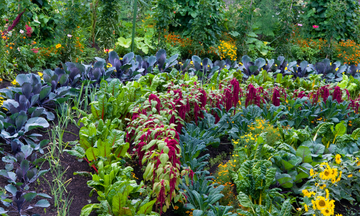
Over time, even the most nutrient-dense soil loses its punch. Heavy rain, regular watering, and hungry plants soaking up goodness will eventually deplete the available resources. Fertilisers step in to replenish those lost nutrients, keeping your growing environment healthy and vibrant—especially in pots, containers, and densely packed garden beds.
The Main Nutrients: Decoding N-P-K
Have you ever glanced at a fertiliser bottle and wondered what those three numbers—like 10-10-10 or 20-5-10—actually mean? That is the N-P-K ratio, showing the exact proportions of three fundamental nutrient building blocks:
- N – Nitrogen: The ultimate booster for lush, vibrant green growth, particularly in stems and leaves.
- P – Phosphorus: The powerhouse behind strong root systems and gorgeous flower or fruit production.
- K – Potassium: The guardian nutrient that strengthens overall plant health and boosts resistance against stress and disease.
Matching the Right N-P-K Ratio to Your Plants
Using the correct blend at the right time ensures you never overfeed your plants while giving them targeted support:
- High Nitrogen (e.g., 20-10-10): Perfect for leafy veggies, lush lawns, and plants in their early growth phase.
- Balanced (e.g., 10-10-10): Your go-to all-rounder for general use throughout the entire growing season.
- Low Nitrogen, Higher Phosphorus/Potassium (e.g., 5-10-15): Ideal when plants are shifting into their flowering and fruiting phases, or for root veggies like carrots and potatoes.
The Different Types of Plant Fertilisers
There are a few major types of fertilisers out there, each bringing its own special superpower to your gardening routine:
1. Granular Fertilisers
These dry powders or pellets are sprinkled right onto the soil. They are fantastic for long-term feeding, usually mixed in when first planting or used as a top dressing during peak growing months.
2. Liquid Fertilisers
If you want quick results, liquid fertilisers deliver a direct shot of nutrition straight to the roots through your watering can. They are absolute lifesavers during active growth spurts or when a plant is showing signs of nutrient deficiency.
- Concentrated Liquid: Needs to be mixed with water first. Super budget-friendly and effective, though measuring accurately is key!
- Ready-to-Use Liquid: Pre-mixed and wonderfully convenient for indoor houseplants or petite patio pots.
Try feeding with liquids every week or two during the growing season to keep everything looking fresh and vibrant.
3. Controlled Release Fertiliser (CRF)
These are tiny, high-tech coated pellets designed to release nutrients slowly and steadily over a long period—anywhere from 3 to 12 months. They offer reliable, fuss-free feeding so you do not have to worry about constant applications.
While slow-release fertilisers rely on unpredictable weather or microbes to break down, premium controlled-release formulas (like the ones used here at Verdant Living) release nutrients in a precise, dependable pattern.
What About Fertiliser Tablets?
If you love convenience, fertiliser tablets are a dream come true, especially for potted plants. Just push them into the soil, and they will slowly dissolve over several months. They are clean, incredibly easy to use, and drastically cut down the risk of accidental overfeeding.
When Should You Fertilise Your Plants?
Different seasons call for entirely different feeding schedules:
- Spring: Wakey-wakey! Plants are coming out of winter hibernation and need plenty of nutrients to kickstart fresh new growth.
- Summer: Keep the momentum going. Continue feeding your fruit trees, vegetables, and blooming beauties to maximize their output.
- Autumn: Time to slow down. Switch to a lower-nitrogen feed to help your plants hunker down and focus on root health.
- Winter: Most outdoor plants go completely dormant, meaning feeding is usually unnecessary. However, indoor houseplants that are still actively growing might enjoy a very occasional diluted treat.
How Verdant Living Gives Your Plants the Best Start
Here at Verdant Living, we truly believe in setting every plant up for absolute success from the moment it arrives at your door. That is why all of our plants come pre-fed with professional-grade controlled-release fertiliser, ensuring they stay nourished for months without you having to lift a single finger.
It gives you total peace of mind and grants your greenery the strongest possible foundation, whether they are destined for outdoor borders, sunny patio pots, or your cozy indoor jungle.
A Few Extra Feeding Tips from Our Experts
- Water before you feed: Never apply fertiliser to bone-dry soil, as it can easily burn delicate roots. Give your plants a good drink first if the soil is dry.
- Less is more: Over-fertilising can cause serious damage. Always stick to the label instructions rather than trying to guess with extra scoops.
- Go organic: If you prefer a natural approach, explore organic options like seaweed extract, worm castings, or nutrient-rich compost tea. They feed your plants while boosting overall soil health!
- Foliar feeding: Some liquid feeds can be sprayed directly onto the leaves for super-fast absorption—handy when your plants need an instant pick-me-up.
Wrapping It Up
Fertiliser is easily one of the most powerful tools in your gardening toolkit. By learning how and when to use the right feed, you give your plants everything they need to look their absolute best. Whether you are growing an impressive veggie patch, designing a vibrant floral border, or simply pampering your indoor plant collection, the right fertiliser changes everything.
And remember—when you adopt a plant from Verdant Living, expert care is already built right in. From root to leaf, we have taken care of every little detail so you can simply kick back and enjoy the pure joy of growing.
Happy gardening!
Post a Comment